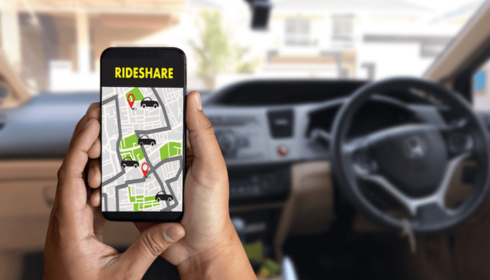
In Uber accident cases, one detail often determines everything that follows: the driver’s app status at the exact moment of the crash. Passengers rarely think about whether the app was on, off, or actively engaged during their ride. Yet, this single factor can dictate which insurance policy applies, how much coverage is available, and how long a claim takes to resolve.
Unlike traditional car accidents, Uber crashes rely heavily on digital data rather than simple fault determinations. Many injured passengers and drivers only grasp how critical app status is after speaking with an Uber crash lawyer in Indianapolis who understands how rideshare liability is evaluated in real-world cases.
Vaughn A. Wamsley regularly represents Indianapolis residents whose Uber accident claims have stalled or been denied due to disputes over app status. Understanding how app activity affects liability is essential for protecting both recovery and financial stability.
Why app status matters so much in Uber accidents
Uber’s insurance structure is built entirely around what the driver was doing within the app at the time of the collision. This approach allows coverage to expand or shrink dramatically based on digital timestamps.
• When the Uber app is turned off, the driver is treated like any other motorist, and only personal auto insurance applies. Many individual policies limit coverage when vehicles are used for rideshare purposes.
• When the app is on, but the driver is waiting for a ride request, limited rideshare coverage applies. These limits are often far lower than what is needed for serious injuries.
• When a ride has been accepted, or a passenger is in the vehicle, higher coverage limits apply, but claims still require verification and investigation.
How app status disputes arise
Disputes over app status are common and often delay Uber accident claims. These disputes usually involve timing rather than disagreement over whether a crash occurred.
• Insurers may argue the crash happened seconds before a ride was officially accepted, placing the driver in a lower coverage category.
• Conflicting timestamps between police reports, witness accounts, and Uber’s internal records can trigger disputes.
• Passengers typically have no control over or immediate access to app data, leaving them dependent on Uber to confirm status.
The role of digital evidence
Unlike traditional car accidents, Uber cases rely heavily on digital documentation rather than physical paperwork.
• Uber app logs record when the app was activated, when rides were accepted, and when trips officially began and ended.
• GPS data tracks vehicle movement, which insurers use to analyze speed, location, and timing.
• Inconsistencies between digital records and other evidence can slow claim resolution significantly.
How delays affect injured passengers
App status disputes often leave injured passengers waiting while insurers investigate. These delays can have real consequences.
• Medical bills may accumulate before coverage is confirmed.
• Follow-up care may be postponed due to uncertainty over payment.
• Financial stress increases as time away from work adds to the burden.
Emergency departments and providers throughout Marion County frequently note treatment gaps linked to rideshare insurance disputes.
Indianapolis traffic patterns and app-related risk
Local traffic conditions in Indianapolis contribute to app status disputes by increasing crash frequency in transitional moments.
• Busy corridors like Meridian Street and Keystone Avenue see frequent ride requests and cancellations, increasing timing disputes.
• Downtown congestion leads to sudden stops and quick trip transitions.
• Event-driven traffic near Lucas Oil Stadium and downtown venues increases rideshare demand and app activity.
How insurers use app status to limit payouts
Insurance companies often use app status to minimize their financial responsibility.
• Lower coverage categories are emphasized whenever possible.
• Delays allow insurers to scrutinize medical treatment and question injury severity.
• Passengers may be encouraged to rely on health insurance rather than rideshare coverage.
Medical documentation challenges
Medical providers do not typically document app status, yet treatment timelines become central to claims.
• Delayed care can be used to argue that injuries were minor.
• Inconsistent symptom reporting weakens claims.
• Clear, consistent medical records help counter app-related disputes.
Marion County court treatment of app status disputes
Marion County courts increasingly encounter Uber accident cases involving app status issues. Judges rely heavily on objective evidence.
• App records are examined alongside police reports and witness testimony.
• Courts focus on whether digital evidence aligns with the injury timeline.
• Credibility plays a significant role when records conflict.
Why passengers are especially vulnerable
Passengers have little control over app activity but bear the consequences.
• They cannot verify app status independently.
• They rely on Uber and insurers to provide accurate data.
• Delays affect their medical and financial recovery directly.
Steps to protect yourself after an Uber crash
Taking proactive steps can reduce the impact of app status disputes.
• Seek medical care immediately and document all symptoms.
• Request a copy of the police report and note the ride details.
• Save all Uber app communications and receipts.
• Avoid making statements about app status without confirmation.
Why early guidance matters in app status cases
App status disputes are technical and unfamiliar to most injured people. Early guidance helps avoid mistakes that insurers exploit.
Vaughn A. Wamsley works with Indianapolis Uber accident victims to identify coverage, document injuries, and address issues with digital evidence. When app status becomes the deciding factor, speaking with an Uber crash lawyer in Indianapolis can help protect your recovery, your rights, and your future.