Home Blog Page 4

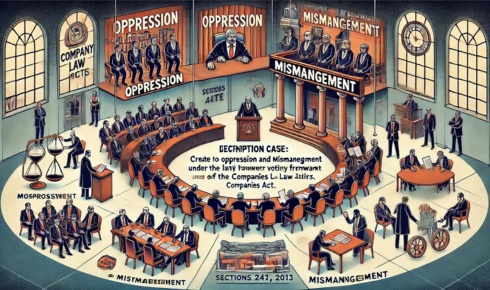
Oppression and Mismanagement Petitions: Remedies for Unfair Treatment of Shareholders

0

Closely held companies me aksar majority shareholders management control use karke minority ko sideline kar dete hain – meetings kam se kam information se bulana, dividends freeze kar dena, related-party deals me company ka nuksaan karna, ya records disclose na karna. Aise cases me oppression and mismanagement petitions ek powerful remedy hain.

Oppression ka matlab hota hai unfair, harsh conduct jo minority ke legal rights aur legitimate expectations ko crush kar raha ho. Mismanagement tab jab affairs aise tareeke se chal rahe ho jo company ke interest ko serious harm pohcha rahe ho.

Tribunals/courts ke paas wide powers hote hain:

  • Directors ko remove ya appoint karna,
  • Related-party transactions cancel karna,
  • Misused funds wapas recover karna,
  • Majority ko order dena ki wo minority ke shares fair valuation pe buy-out karein,
  • Extreme cases me company wind-up tak.

Minority ko apne paas documents, emails, board minutes, financial anomalies ka material gather karna hota hai. Sirf “hume pasand nahi” wali argument se case nahi banta.

Idea yeh hai ki company ko dictatorship ya personal fiefdom banne se roka jaye, aur honest investors/partners ka faith protect rahe.


Annual Compliance Requirements for Private Limited Companies: Filings, Meetings and Penalties

0

Private limited company banana relatively easy ho gaya hai, lekin usko compliant rakhna continuous responsibility hai. Har saal kuch basic compliance karne hote hain, warna late fees, penalties, ya strike-off ka risk hota hai.

Common annual requirements:

  • At least ek Annual General Meeting (AGM) within prescribed time,
  • Financial statements prepare, board approve, aur regulatory authority ko file karna,
  • Annual return jisme directors, shareholders, share transfers, etc. ka summary hota hai,
  • Board meetings ka minimum count aur proper minutes maintain karna,
  • Statutory registers update – members, directors, charges, etc.

Agar auditors, secretarial auditors ya internal auditors required hain, unki appointment/rotation rules follow karna hota hai. Related-party transactions, loans and advances, or high remuneration items me extra compliance ho sakti hai.

Non-compliance initially late fees se start hoti hai, but prolonged default se directors personally penalties, disqualification, ya company ko “inactive” treat karne tak baat pahunch sakti hai.

Best practice: ek reliable CA/CS firm ya in-house compliance person rakho, calendar-based system banao, aur filings last week pe mat chhodo. Company sirf brand name nahi; ye legal entity hai jisko har saal proof dena padta hai ki wo law ke hisaab se alive aur healthy hai.

Founders’ Agreements in Startups: Key Legal Clauses Before Raising Investment

0

Startup shuru karte waqt sab kuch dosti aur excitement pe chalta hai. Lekin jaise hi business grow karta hai, founders’ agreement ke bina problems almost guaranteed hain. Yeh document exactly define karta hai ki kaun kya karega, kaun kitna own karega, aur breakup ya changes kaise handle honge.

Key clauses usually:

  • Equity split and vesting (shares time ke sath milenge, taaki koi early exit na le le),
  • Roles and decision-making – who is CEO, who handles tech/finance/sales,
  • IP ownership – jo code, brand, product banta hai wo company ka ho, individual ka nahi,
  • Restrictions on competing business,
  • Exit mechanisms – agar ek founder quit karna chahe, shares ka kya hoga,
  • Dispute resolution – deadlock hone par kaise aage badhen.

Investors normally aise hi agreements dekhna chahte hain before funding, kyunki unhe internal fights ka risk kam chahiye. Founders khud ke beech verbal promises pe rehte hain, to later misunderstanding almost pakki hai.

Ek clean, fair founders’ agreement future ke bade conflicts ka insurance hai. Ye dosti kharab nahi karta; actually, roles clear karke relationship ko protect karta hai.

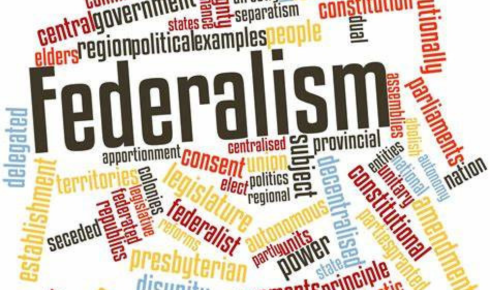
Federalism and Centre–State Disputes: Constitutional Mechanisms for Resolving Power Conflicts

0

Jahan federal system hota hai, waha power Central/National Government aur States me divide hoti hai. Constitution normally subject-lists banata hai – defence, foreign affairs centre ke, police, health, local matters states ke, aur kuch concurrent subjects jahan dono law bana sakte hain.

Conflict tab hota hai jab:

  • Dono level ek hi subject pe alag law bana dete hain,
  • Centre cooperative federalism ke naam pe zyada interfere karta hai,
  • States central schemes, appointments ya agencies se unhappy hote hain.

Constitution iske liye mechanisms provide karta hai:

  • Courts, especially constitutional courts, interpret karte hain ki kaun si legislature ko kya power thi.
  • Inter-governmental councils aur political negotiation tables hoti hain.
  • Kabhi-kabhi constitutional amendments se bhi clarity aati hai.

Judiciary ka role central hai: wo decide karti hai ki koi central/state law ultra vires (beyond power) hai ya nahi. Saath hi courts ye bhi stress karte hain ki Centre aur States rivalry nahi, partners hain.

Common citizen ke liye yeh sab shayad door ka theory lage, lekin everyday issues – fuel tax, education policy, policing, health schemes – sab federalism ke design se heavily influenced hote hain.

Emergency Powers and Civil Liberties: How Far Can the State Go in a Crisis?

0

Constitutions generally State ko emergency powers dete hain – war, external aggression, serious internal disturbance, ya natural calamity jaisi situations me. Idea ye hai ki crisis me fast decision-making ho sake, lekin yahi powers misuse ka bhi danger create karte hain.

Emergency ke time pe kuch rights temporarily restrict ya suspend ho sakte hain – movement controls, curfews, preventive detention, censorship-type measures, strict regulation of assemblies, etc. Central governments kabhi-kabhi states ke powers bhi assume kar sakti hain if constitutional machinery fails.

Lekin yeh sab blank cheque nahi hai. Checks & balances typical hote hain:

  • Formal proclamation required,
  • Time limits aur periodic review,
  • Legislature oversight,
  • Judicial review of specific measures.

Courts generally executive ko crisis me thoda leeway dete hain, lekin completely eyes close nahi karte. Proportionality, non-discrimination aur good faith still important principles hain. Emergency khatam hone ke baad overreach ko challenge kiya ja sakta hai, though real-time remedies tough ho sakte hain.

Logon ke liye key point: crisis ke naam par permanent liberty sacrifice kar dena dangerous precedent hota hai. Balance tough hai – safety bhi chahiye, freedoms bhi. Constitution ka design hi is tug-of-war ko manage karne ki koshish karta hai.

Right to Privacy as a Fundamental Right: Impact on Daily Government Actions

0

Aaj ke digital zamaane me right to privacy sabse zyada discussed fundamental rights me se ek hai. Courts ne clear kiya hai ki privacy sirf bedroom tak limited nahi; ye har insaan ka personal space, data, body aur choices protect karta hai.

Is right ka effect Government actions pe direct padta hai:

  • Surveillance systems, phone tapping, data collection – sab ko law, necessity aur proportionality ke strict tests pass karne hote hain.
  • Aadhaar-type ID schemes, welfare databases, and public records handle karte waqt State ko ensure karna padta hai ki misuse aur leaks se protection ho.
  • Personal choices – jaise relationships, reproductive decisions, sexual orientation – me bhi privacy important role play karti hai.

Privacy absolute nahi hai – national security, crime investigation, public health jaise grounds pe reasonable restrictions possible hain. Lekin ab burden State pe hota hai ki wo justify kare kyun itni intrusion zaroori hai, aur kya less intrusive options available nahi the.

Common citizen ke liye iska real-world impact:

  • Aap apne data ke handling pe sawal pooch sakte ho,
  • Illegal or disproportionate surveillance ko challenge kar sakte ho,
  • Public disclosures, doxxing, ya forced sharing ke against stand le sakte ho.

Privacy ka mool message: citizen koi open book nahi jisko State ya companies bina limit ke padh sakti hain.

 Negligence in Everyday Life: How Civil Law Handles Accidents and Careless Conduct

0

Civil negligence ka basic formula simple hai: jab kisi ka careless behaviour dusre ko harm pohcha de, toh wo damages ke liye liable ho sakta hai. Yeh rozmarra ki situations me hota hai – road accidents, wet floor pe warning sign bina chhodna, faulty products, careless professional advice, etc.

Negligence prove karne ke liye normally teen cheezein dikhani padti hain:

  1. Duty of care – defendant ko reasonable care lena chahiye tha (driver, shop owner, doctor, etc.)
  2. Breach – usne wo standard maintain nahi kiya (overspeeding, no warning, sloppy treatment).
  3. Damage – is breach ki wajah se actual injury, loss, ya property damage hua.

Har galti negligence nahi ban jaati. Law “reasonable person” ka standard use karta hai, not perfection. Hota yeh hai ki courts context dekhte hain – emergency thi? Information incomplete thi? Risk kitna predictable tha?

Compensation me medical expenses, loss of income, pain and suffering, and sometimes long-term disability ke liye amounts include ho sakte hain. Professional negligence cases (doctors, lawyers, engineers) me expert evidence bohot crucial hota hai.

Practical tip: accident ya negligence case me photos, videos, bills, medical reports, witness contact details sab preserve karo. Civil claim ki backbone documentary proof hi hota hai, na ke sirf emotions.

Limitation Periods in Civil Suits: What Happens If You File a Case Too Late?

0

Civil law me limitation period ka concept bohot important hai. Ye simple idea hai: “cases hamesha ke liye open nahi reh sakte.” Har type ka civil claim – money recovery, property disputes, defamation, etc. – ke liye law ek fixed time limit rakhta hai jiske andar aapko suit file karna hota hai.

Clock usually start hota hai jab cause of action arise hota hai – jaise due date pe payment nahi mila, ya jab aapko illegal occupation ka pata chala. Agar aap limit ke baad suit file karte ho, defendant easily “time-barred” ki objection raise kar sakta hai. Court generally aise suits entertain nahi karta, chahe morally aap sahi ho.

Kuch exceptional cases me limitation ruk ya extend ho sakta hai – jaise fraud hide kiya gaya ho, plaintiff minor ho, ya legally recognised disability ho. Lekin ye exceptions narrow hoti hain; “busy tha” ya “umeed thi ki settlement ho jayega” usually excuse nahi bante.

Isliye practical approach:

  • Old unpaid bills, loan agreements, promissory notes ki list bana ke unka limitation track karo.
  • Property issues me jabhi encroachment dikhe, turant legal advice lo.
  • Email, notice, acknowledgment of debt kabhi-kabhi limitation extend kar sakte hain – but yeh jurisdiction-specific point hai, isliye local lawyer se confirm karna zaroori hai.

Delay litigation ka sabse bada dushman hai. Case strong ho sakta tha, lekin limitation miss hote hi law aapke favour se haath utha leta hai.

Specific Performance of Contracts: When Courts Force Parties to Honour Their Promises

0

Normally, breach of contract ka simple remedy hota hai – damages, yaani paise. But kuch situations me paisa kaafi nahi hota. So civil law ek special remedy deta hai: specific performance. Isme court seedha order deta hai ki “jo promise kiya tha, woh ab actual me karo.”

Ye remedy zyada tar un contracts me use hoti hai jahan subject-matter unique ho – jaise immovable property (plots, flats, buildings), rare goods, or special rights. Agar aapne ek particular flat kharida hai aur seller aakhri moment par mukar jaye, sirf compensation se kaam nahi chalega. Aapko wahi flat chahiye. Court, agar conditions satisfy hoti hain, seller ko sale deed execute karne ka order de sakti hai.

Lekin specific performance automatic nahi milta. Court dekhta hai:

  • Kya contract clear, valid, aur enforceable tha?
  • Kya plaintiff khud ready and willing tha apni side perform karne ko?
  • Kya delay ya unfair conduct to nahi hua?

Personal service contracts (jaise kisi ko zabardasti job karne pe majboor karna) usually specific performance ke liye allowed nahi hote. Waha damages hi normal remedy hai.

Practical point: property/major deals ke agreements humesha likhit, stamped aur clear terms ke sath rakho. Agar breach ho, to proper documentation ke basis pe hi specific performance ka strong case banta hai.